Radiopharmaceutical Science: What Are They, Their Role in Medicine, and Future Directions
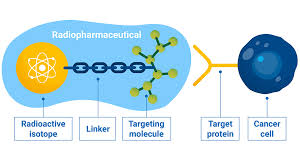
Radiopharmaceuticals are compounds consisting of a radioactive isotope (radioisotope) combined with a biologically active molecule. These radioisotopes emit radiation that can be detected using specialized imaging equipment, such as gamma cameras or PET scanners. The biologically active molecule is selected based on its ability to target specific tissues or organs within the body.
Common radioisotopes used in radiopharmaceuticals include Technetium-99m (99mTc), Iodine-131 (131I), Fluorine-18 (18F), and Gallium-68 (68Ga). These radioisotopes undergo radioactive decay over time, emitting gamma rays or positrons that are utilized for diagnostic imaging or therapeutic purposes.
Role in Medicine
Radiopharmaceuticals play several important roles in modern medicine:
1. Diagnostic Imaging
Radiopharmaceuticals are widely used in nuclear medicine imaging techniques such as Single Photon Emission Computed Tomography (SPECT) and Positron Emission Tomography (PET). They enable visualization of tissue and organ function, as well as metabolic activity, providing valuable diagnostic information. For example, PET scans are used to detect cancer, evaluate cardiac function, and investigate neurological disorders.
2. Therapeutic Applications
Certain radiopharmaceuticals are used in targeted radiotherapy, commonly known as radionuclide therapy. These agents are designed to selectively target cancer cells while minimizing damage to healthy tissues. Iodine-131 (131I) is commonly used in the treatment of thyroid cancer, while Lutetium-177 (177Lu) is utilized for the treatment of neuroendocrine tumors, among other applications.
Future Directions in Personalized Medicine
The future of radiopharmaceuticals in personalized medicine holds significant promise for tailoring diagnosis and treatment to individual patients.
1. Targeted Therapy
Advances in radiopharmaceutical development are paving the way for more precise and effective treatments. New radiopharmaceuticals are being designed to target specific molecular markers on cancer cells, allowing for enhanced therapeutic efficacy while reducing toxicity to healthy tissues.
2. Theranostics
Theranostics is an emerging concept that combines diagnosis and therapy within a single framework. Radiopharmaceuticals can be used to identify and characterize disease through imaging and subsequently deliver targeted treatment based on the diagnostic findings. This approach has shown tremendous potential, particularly in oncology.
3. Patient-Specific Imaging
Radiopharmaceuticals can be selected and administered based on an individual patient’s physiology and disease characteristics. This personalized approach helps maximize the accuracy and effectiveness of diagnostic imaging while supporting more informed clinical decision-making.
4. Emerging Technologies
Advancements in radiopharmaceutical production and imaging technologies are making personalized medicine increasingly accessible. For instance, the use of compact cyclotrons for local radioisotope production can expand access to radiopharmaceuticals, even in smaller healthcare facilities.
Conclusion
In summary, radiopharmaceuticals are essential tools in modern medicine for both diagnostic and therapeutic purposes. Their future in personalized medicine is characterized by greater precision, patient-specific approaches, and the integration of diagnosis and treatment. These developments have the potential to improve patient outcomes while minimizing treatment-related side effects.
Prepared by: Muhammad Hishar Hassan
Date of Input: 03/06/2026 | Updated: 03/06/2026 | fatini
MEDIA SHARING